


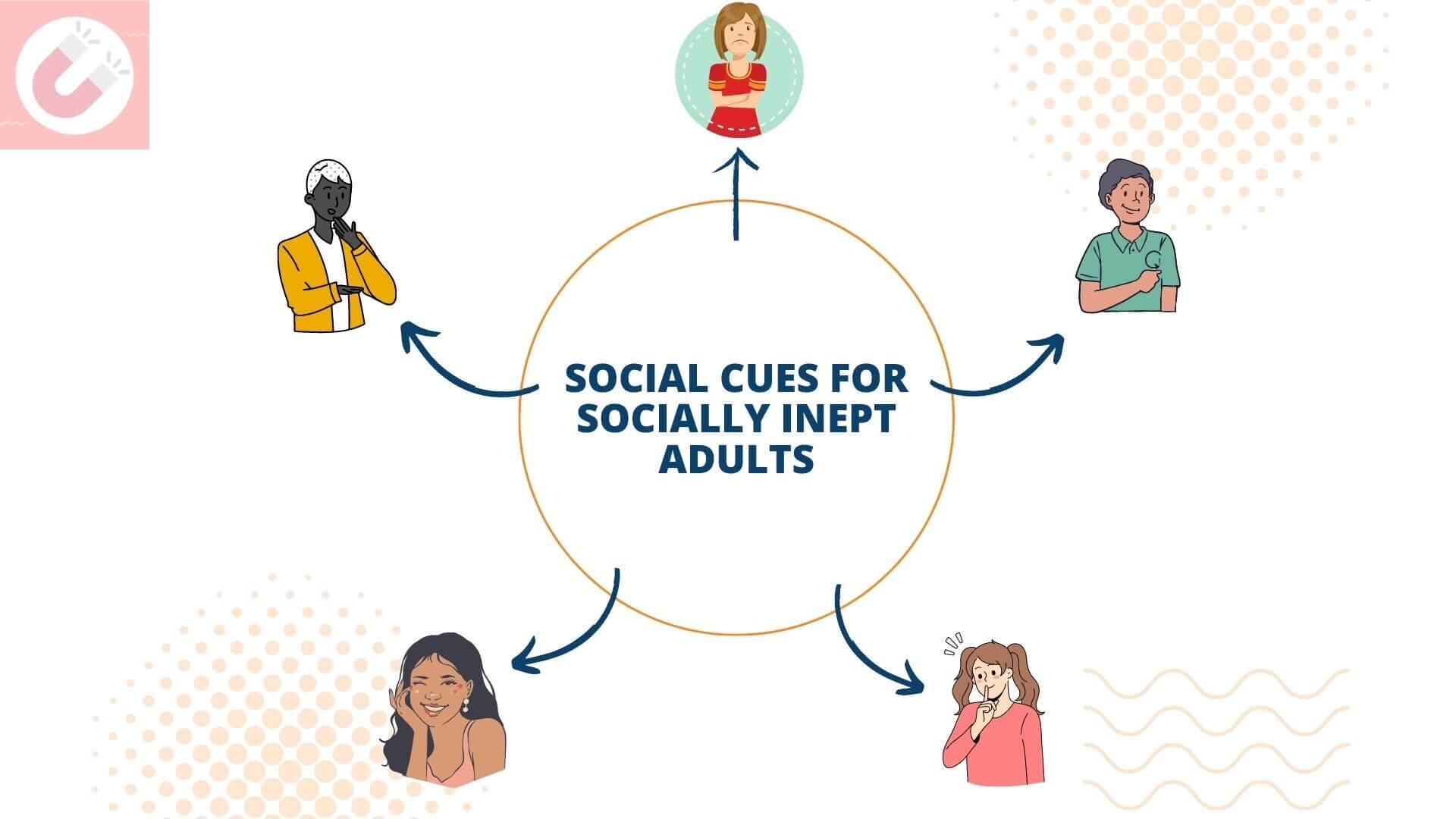
At Jaunty, our clients often confess to misjudging or misreading the person they were chatting with. They assumed it was a potentially long lasting connection, only to realize later that things were not as they seemed.
Interpreting subtle cues like body language and conversational engagement is crucial in understanding the other person’s intentions and learning how to build rapport with new people.
Understanding social cues is essential for building and maintaining relationships, navigating social situations, and becoming more approachable. However, some individuals struggle with interpreting these cues and often feel socially inept.
Reading social cues correctly helps us across a long list of social interactions. It can impact everything from knowing how to playfully flirt with a new love interest, to being funny socially and in conversation, to networking professionally and navigating your career.
In this comprehensive guide, we will discuss what social cues are, why they are important, the challenges faced by those who struggle with them, and how to better understand and use them. We focus on helping those who identify as socially inept improve their social skills and interactions. When you learn the art of reading social cues you transform your social life and can start to create lasting connections with others.
Don’t miss out on future connections – learn to read social cues effectively!
What Are Social Cues For Adults?
Social cues are nonverbal signals that people use to communicate their thoughts, feelings, and intentions. These signals can be subtle or overt and often convey more information than words alone.
As individuals mature and navigate diverse adult settings, from professional work environments to complex social scenarios, understanding and interpreting these cues becomes even more vital.
Social cues can include
- Body language
- Facial expressions
- Tone of voice
- Gestures
- Eye contact
- Distance
- Silence
Refining our ability to perceive and react to social cues is crucial for building and maintaining strong interpersonal connections. For example, being able to recognize a friend’s subtle facial expression of discomfort can clue us into the need for a topic change, enhancing our conversation skills and ensuring a pleasant exchange doesn’t become awkward.
Conversely, missing social cues may lead to misunderstandings or even damaged relationships between adults. Misreading a colleague’s body language during a meeting or failing to catch the tone of a partner’s voice can have significant negative implications.
Why Are Social Cues Important?
Social cues play a vital role in many aspects of our lives, including building relationships, navigating social situations, and ensuring effective communication. They help us understand and empathize with others, which is crucial for forming and maintaining meaningful relationships. When you can recognize and interpret social cues, you can adapt your behavior and communication to suit various social situations and avoid misunderstandings or conflicts.
Understanding social cues is especially important in professional settings, where misreading social cues can lead to negative consequences for our careers, and in a romantic context. It’s also crucial in a romantic context, where knowing how to discern and gauge someone’s interest and spot signs of flirting can help you avoid missing out on opportunities and ultimately lead to finding love.
Furthermore, social cues enhance our verbal communication by providing context, emotion, and intention, making our interactions more genuine and effective. For instance, the tone of our voice can add warmth or seriousness to the words we speak, allowing the listener to better understand our feelings and intentions. Mastering social cues is essential for anyone looking to excel in their personal and professional lives.
What Is The Role Of Nonverbal Communication When Interpreting Social Cues?
Understanding the role of nonverbal communication, including body language, movements, facial expressions, and vocal intonations, is crucial for interpreting social cues and signals.
Studies have long suggested the existence of the “7-38-55 rule,” which helps illustrate that a mere 7% of communication relies on spoken words, while nonverbal communication and social cues like voice tone and physical gestures contribute 38% and 55%, respectively, to our daily interactions.
Being mindful of these nonverbal signals can give you essential information about an individual’s feelings, motives, and the extent of their involvement in a discussion during social interactions.
What Is It Called When Adults Miss Social Cues?
Social challenges may arise from autism spectrum disorder (ASD), social anxiety disorder, attention deficit hyperactivity disorder (ADHD), learning disabilities, cultural differences, social-emotional agnosia, brain injuries, limited social experience, mental health issues, or many other factors. Developing social skills and understanding social cues often require time, patience, and practice, particularly for younger adults and teenagers who lack social experience.
When adults miss social cues, they are sometimes labeled as socially awkward and may feel like they are just socially inept. However, numerous factors can contribute to difficulties in interpreting and responding to social cues effectively, so it is essential to note that these terms can be stigmatizing and may not accurately reflect an individual’s experiences or help them to improve. Instead, we urge everyone who struggles socially to focus on their specific difficulties and challenges and begin working towards trying to find the right solutions for their goals.
1. Autism Spectrum Disorder (ASD)
Autism spectrum disorder (ASD) is a developmental disorder that affects communication and social interaction. Individuals with ASD may have difficulty interpreting facial expressions, tone of voice, and body language, making it challenging for them to understand social cues. They may also struggle with initiating and maintaining conversations or understanding social norms, which can create barriers to forming connections with others. Developing social skills may require tailored support and interventions, as well as patience and understanding from those around them.
2. Social Anxiety Disorder
Social anxiety disorder is characterized by excessive fear and avoidance of social situations due to concerns about being judged or scrutinized by others. People with social anxiety may be so preoccupied with their own thoughts and feelings that they struggle to notice and interpret social cues. They may misinterpret neutral or positive cues as negative, reinforcing their anxiety and avoidance. Cognitive-behavioral therapy and other treatments can help individuals with social anxiety improve their ability to understand social cues and reduce their anxiety in social situations.
3. Attention Deficit Hyperactivity Disorder (ADHD)
Attention deficit hyperactivity disorder (ADHD) is a neurodevelopmental disorder characterized by inattention, impulsivity, and hyperactivity. Individuals with ADHD may find it difficult to focus on and process social cues, leading to misunderstandings or missed signals. They may also interrupt others, struggle with turn-taking in conversations, or display inappropriate social behavior. Treatment for ADHD, such as medication or behavioral therapy, can help individuals develop better social skills and improve their ability to understand social cues.
4. Learning Disabilities
Learning disabilities can impact a person’s ability to process and understand social cues effectively. For example, individuals with nonverbal learning disabilities may struggle with interpreting facial expressions, body language, and other nonverbal cues, despite having strong verbal skills. This can make social interactions more challenging and lead to feelings of isolation or frustration. Support from educators, therapists, and peers can help individuals with learning disabilities develop their social skills and improve their understanding of social cues.
5. Cultural Differences
Cultural differences can also play a significant role in the interpretation of social cues. Different cultures have unique social norms, gestures, and communication styles, which can lead to misunderstandings or misinterpretations when people from diverse backgrounds interact. It is essential to be open-minded, patient, and empathetic when engaging with individuals from different cultures, as well as to educate oneself about cultural differences to improve understanding and reduce the potential for miscommunication.
6. Social-Emotional Agnosia
One specific condition associated with missing social cues is social-emotional agnosia, also known as emotional agnosia or expressive agnosia. This disorder is characterized by the inability to perceive facial expressions, body language, and voice intonation. People with social-emotional agnosia struggle to non-verbally recognize others’ emotions during social situations, which can significantly impact their ability to engage in normal social interactions.
7. Brain Injuries
Brain injuries, such as traumatic brain injury (TBI) or stroke, can impact a person’s ability to interpret and respond to social cues effectively. Damage to specific areas of the brain responsible for processing emotions, facial expressions, and social information may result in difficulties understanding and navigating social situations. Rehabilitation and therapy, including occupational, speech, and cognitive therapies, can help individuals regain their social skills and improve their ability to understand social cues.
8. Social Awkwardness From Limited Social Experience
Limited social experience, particularly among younger adults and teenagers, can contribute to difficulties interpreting social cues. Inadequate exposure to diverse social situations and interactions may result in underdeveloped social skills, leading to misunderstandings or missed signals. Encouraging participation in social activities, providing guidance, and offering opportunities for practice can help individuals with limited social experience build their social skills and improve their ability to understand and respond to social cues.
9. Mental Health Issues
Mental health issues, such as depression or anxiety, can also affect an individual’s ability to process and respond to social cues. Emotional distress and preoccupation with personal thoughts or feelings may make it difficult to fully engage in social interactions, leading to missed or misinterpreted cues. Seeking appropriate treatment, such as therapy or medication, can help address the underlying mental health issues and improve the individual’s ability to navigate social situations effectively.
How To Read The Room And Understand Social Cues
Navigating the complex world of social interactions requires an understanding of social cues, the subtle signals people use to communicate thoughts, feelings, and intentions. As you practice and observe these key aspects of communication, you’ll become more adept at reading and responding to social cues, fostering empathy and patience in your interactions with people from diverse backgrounds and communication styles in any social situation or activity.
1. Pay Attention To Body Language
Paying attention to body language is a crucial first step in improving one’s ability to understand social cues. Body language can provide valuable insights into a person’s thoughts and emotions, often communicating information that may not be expressed verbally. By observing the posture, movements, and gestures of others, one can gain a better understanding of how they feel and what they might be thinking.
To improve one’s ability to pay attention to body language, practicing active observation during social interactions may be helpful. This can involve consciously focusing on the body language of others and noting any patterns or changes that may occur. Additionally, it may be useful to pay attention to one’s own body language during conversations, as this can impact how others perceive and respond to communication.
Some common body language cues to look for include posture, facial expressions, and hand gestures. For example, crossed arms might indicate defensiveness or discomfort, while an open posture suggests confidence and approachability. Similarly, a furrowed brow might suggest confusion or concern, while a smile indicates happiness or friendliness. By paying attention to these cues, individuals can better understand the emotions and intentions of those around them, leading to more successful social interactions.
2. Observe Facial Expressions
Facial expressions are an important nonverbal communication tool that people use every day to convey their emotions and intentions. The ability to read and interpret facial expressions is a crucial skill for effective social communication, as it can provide insight into a person’s inner emotional state. For example, a genuine smile can indicate warmth and happiness, while a furrowed brow might suggest confusion or concern. Additionally, observing subtle changes in facial expressions can provide clues about a person’s level of comfort or discomfort in a particular situation, which can help facilitate more successful interactions.
To improve one’s ability to observe and interpret facial expressions, it may be helpful to practice actively looking for and identifying different facial expressions in various contexts. By paying attention to people’s facial expressions during conversations, for example, one can begin to recognize common patterns and understand the nuances of nonverbal communication. This skill can be particularly useful in situations where verbal communication may be limited, such as in a noisy or crowded environment.
3. Listen To Tone Of Voice
Tone of voice is another crucial aspect of nonverbal communication that can convey a person’s emotional state and attitude. By listening to the pitch and tone of someone’s voice, one can often get a sense of their mood, level of interest, or emotional state. For instance, a high-pitched, excited tone might indicate happiness or enthusiasm, while a low-pitched, monotonous tone could indicate boredom or disinterest.
To improve one’s ability to listen to tone of voice, it may be helpful to practice active listening during conversations. By focusing on the tone and pitch of someone’s voice and actively trying to identify different emotional states, one can improve their ability to read and interpret nonverbal cues. Additionally, it may be useful to pay attention to one’s own tone of voice during conversations, as this can also impact how others perceive and respond to communication.
4. Understand Gestures
Gestures are another nonverbal communication tool providing valuable information about a person’s intentions and emotions. People often use gestures to emphasize or clarify verbal communication, and understanding these gestures can help facilitate more successful interactions. For example, pointing or hand movements can help clarify directions or explanations.
To improve your ability to understand and use gestures effectively, it may be helpful to practice actively using them during conversations. You can develop a better understanding of how to use gestures to convey meaning and facilitate communication by experimenting with different types of gestures and observing how others respond. Additionally, it may be useful to pay attention to others’ gestures during conversations, as this can provide valuable clues about their intentions and emotions.
5. Maintain Eye Contact
Maintaining eye contact is essential to social interaction, conveying interest, attention, and emotions. People often use eye contact to signal engagement and connection, and failing to maintain eye contact can be perceived as disinterest or even rude. However, it is essential to note that cultural norms and individual preferences can impact the role of eye contact in communication.
To improve one’s ability to maintain eye contact during conversations, it may be helpful to practice actively engaging with others and consciously maintaining eye contact. Additionally, it may be useful to pay attention to how others respond to eye contact and adjust one’s behavior accordingly. For example, if someone appears uncomfortable with prolonged eye contact, limiting the duration or intensity of eye contact may be appropriate.
6. Assess Distance and Personal Space
Assessing distance and personal space during social interactions is another crucial aspect of nonverbal communication. The appropriate distance between individuals can vary depending on cultural norms, individual preferences, and the context of the interaction. Some people may feel comfortable standing closer or further apart than others, so it’s essential to be aware of these differences and adjust accordingly to ensure others feel comfortable.
To improve one’s ability to assess distance and personal space during interactions, it may be helpful to practice paying attention to body language and physical cues. Observing how others stand or move during interactions and noting the distance between individuals can provide valuable insights into what is considered appropriate in a particular context. Additionally, it may be useful to communicate openly with others about personal space preferences to avoid discomfort or miscommunication.
7. Recognize the Meaning of Silence
Silence is a powerful nonverbal communication tool that can convey various emotions and thoughts. Learning to interpret these silent moments can enhance social understanding and interactions, particularly in situations where verbal communication may be limited or difficult. For example, silence can indicate contemplation, agreement, or disagreement, depending on the context.
To improve one’s ability to recognize the meaning of silence, it may be helpful to practice active listening during conversations. By paying attention to both verbal and nonverbal cues, one can develop a better understanding of how silence is used to convey meaning in different situations. Additionally, it may be useful to pay attention to one’s own use of silence during conversations, as this can impact how others perceive and respond to communication. By building this skill, individuals can become more attuned to the nuances of social interaction and better equipped to navigate diverse social situations.
Remember, remaining patient and empathetic in your interactions is essential, as everyone has different communication styles and cultural backgrounds that may influence their social cues. With time and effort, you’ll become more adept at reading and responding to the social cues of those around you. By focusing on these critical aspects of communication, you’ll be better equipped to navigate social situations and build stronger relationships with others.
Tips for Improving Social Skills and Understanding Social Cues
For individuals who may struggle with social skills, understanding social cues, or making basic small talk, consider the following tips to enhance your abilities in social situations:
1. Stay Attentive to Your Surroundings
Being aware of your surroundings and the people around you is crucial in picking up social cues that you might otherwise miss. Pay attention to the environment and the dynamics of social interactions, as this will help you become more attuned to the nuances of communication.
2. Observe Body Language
Focus on observing how others use their body language to express themselves. Understanding body language can provide valuable insights into others’ feelings and intentions. As you become more adept at reading body language, you’ll be better equipped to navigate social situations with confidence.
3. Seek Clarification
If you’re unsure of what someone means or how they feel, ask them for clarification rather than making assumptions. This shows that you’re actively engaged in the conversation and willing to learn, which can help build rapport and strengthen relationships.
4. Practice Empathy and Patience
Remember that people may say or do things that seem insensitive or rude, but they might not intend to offend you. Be patient and try not to take their actions personally. Instead, practice empathy and consider the situation from their perspective. This will help you respond with compassion and understanding.
5. Engage in Regular Social Interactions
Practice interacting with others to improve your understanding of social cues. The more you engage with people, the better you will become at recognizing and interpreting social cues. Like any skill, practice makes perfect. Seek out opportunities to engage in conversations and participate in social events, as these experiences will help you develop and refine your social skills.
6. Read Facial Expressions
Facial expressions can convey a wide range of emotions, from happiness and sadness to anger and surprise. Pay attention to the nuances of facial expressions to gain a deeper understanding of the person’s emotional state.
7. Listen to Tone of Voice
The pitch, volume, and intonation of a person’s voice can convey emotions and attitudes that may not be evident in their words alone. Be attentive to these vocal cues to better understand the underlying meaning of their communication.
8. Look for Inconsistencies
If a person’s verbal and nonverbal communication is inconsistent, it might indicate that they are not being truthful or that they are experiencing mixed emotions. In such cases, pay close attention to nonverbal cues to gain a more accurate understanding of their intentions.
9. Practice Active Listening
Active listening involves giving your full attention to the person speaking, asking clarifying questions, and providing feedback. This shows that you value their perspective and are interested in what they have to say. Active listening can help you build stronger relationships and improve your ability to pick up on social cues.
10. Seek Feedback
Ask trusted friends or family members for feedback on your social skills. This can help you identify areas for improvement and gain a better understanding of how others perceive you. Be open to constructive criticism and use it as an opportunity to grow and develop your social skills.
By following these tips, you can work towards enhancing your social skills and understanding of social cues, ultimately improving your overall social interactions and relationships.
The Importance of Context When Interpreting Social Cues
Context plays a crucial role in accurately interpreting social cues. The same cue, such as a smile or a gesture, can have different meanings depending on the situation, culture, and the relationship between the individuals involved. Being aware of the context can help you avoid misinterpreting social cues and improve your overall understanding of social interactions.
Considering the context of every interaction can help you better interpret and respond to social cues, leading to more successful and meaningful social interactions.
Consider these factors when interpreting social cues:
1. Cultural Background
Different cultures have unique norms and expectations when it comes to social cues. Be aware of cultural differences when interacting with people from diverse backgrounds, and be open to learning and adapting to these differences.
2. Relationship Status
The nature of your relationship with the person you are interacting with can affect the meaning of certain social cues. For example, a friendly touch on the shoulder might be appropriate between close friends but not in a professional setting.
3. Environment
The setting of the interaction can also influence the meaning of social cues. A loud and crowded party may require more exaggerated gestures and facial expressions to convey emotions, while a quiet and intimate setting might call for more subtle cues.
4. Emotional State
Keep in mind the emotional state of the person you are interacting with, as this can impact their social cues. Someone who is feeling stressed or anxious may display different cues than they would when relaxed and comfortable.
5. Verbal and Nonverbal Cues
Both verbal and nonverbal cues should be considered in the context of the interaction. Verbal cues, such as tone of voice and choice of words, can provide important information about the speaker’s emotions and intentions. Nonverbal cues, such as facial expressions and body language, can provide additional context and help to clarify the meaning of verbal cues.
6. Previous Interactions
Previous interactions with the person can provide important context for interpreting social cues. For example, if someone has previously made a sarcastic comment, you might interpret future comments differently than if you had no prior experience with their sense of humor.
7. Social Norms and Expectations
Social norms and expectations can also impact the meaning of social cues. For example, in some cultures, direct eye contact is seen as a sign of respect and engagement, while in others, it may be viewed as confrontational.
You Can Learn To Understand Social Cues
The ability to understand and use social cues is vital for building relationships and navigating social situations. With awareness, practice, and patience, anyone can improve their skills in interpreting and responding to social cues. By following the tips and strategies outlined in this comprehensive guide, individuals who identify as socially inept can become more confident and effective communicators, enhancing their overall social experiences.
Remember, mastering social cues takes time and effort, but the rewards are well worth the investment.
Start paying attention to body language, eye contact, and conversation flow, you’ll quickly identify your ideal matches and save valuable time in building genuine connections.
HOW JAUNTY HELPS
Learn to master the art of reading social cues with Jaunty.
Discover the key to identifying two-way streets – the people whose genuine attention and interest towards you can lead to meaningful connections.
Jaunty not only equips you with the skills to read others, but also enhances your ability to work a room!